What to Look for When Choosing Pet-Friendly Turf
Why Standard Turf May Not Work for Dogs
Many homeowners love the look of a green lawn but find that natural grass struggles to hold up under daily use by dogs. Urine can cause yellow patches, digging leaves bare spots, and constant traffic wears down the grass over time. That is why more people are turning to synthetic alternatives designed specifically for pet owners. The key is selecting a product that handles the unique demands dogs bring, not just any artificial lawn.
Pet turf differs from standard artificial grass in several important ways. It typically has a higher pile density to resist matting, a shorter fiber length to make cleaning easier, and a backing system that allows liquids to pass through quickly. When you are evaluating options, pay attention to these features rather than just the color or texture. The wrong choice can lead to odors, drainage problems, and a surface that does not stand up to regular use.
Drainage Is the First Thing to Check
Dogs urinate on grass, and that liquid has to go somewhere. If the turf does not drain well, urine pools on the surface or soaks into the backing, creating a smell that is hard to remove. Quality pet turf uses a permeable backing with drainage holes or a porous structure that lets moisture pass into the ground below. Some products also include a separate drainage layer or channel system beneath the turf.
Before installation, the base preparation matters just as much. A proper base of crushed stone or decomposed granite allows water to move away from the turf. Without good base drainage, even the best turf will hold moisture and eventually develop odors. Ask your installer about the drainage rate and what base materials they plan to use. For heavy-use areas, a faster drainage rate is better.
Odor Control and How It Works
Urine odor is the most common complaint from dog owners with artificial grass. The smell comes from bacteria breaking down the urea and ammonia in urine, not from the turf itself. To manage this, many pet turf products include antimicrobial additives in the fibers or backing. These additives slow bacterial growth and reduce odor at the source.
Infill also plays a role. Some infill materials, such as coated silica sand or zeolite, are designed to trap and neutralize odors. Zeolite is a natural volcanic mineral that absorbs ammonia and can be refreshed with water or cleaning solutions. Other infills are purely for weight and stability and do little for smell. If odor control is a priority, check what infill the manufacturer recommends and whether it is included or sold separately.
Regular maintenance helps too. Hosing down the turf weekly and using an enzyme-based cleaner designed for pet waste can keep odors under control. Avoid bleach or harsh chemicals, as they can damage the turf fibers and harm the grass underneath.
Durability Against Digging and Scratching
Dogs dig for many reasons: boredom, instinct, or to create a cool spot to lie down. Natural grass is easy to dig up, but artificial grass for dogs needs to resist that behavior. Look for turf with a strong secondary backing, often made from polyurethane or latex, that holds the fibers in place even when a dog scratches at the surface.
The fiber material matters too. Polyethylene is softer and more realistic, while polypropylene is stiffer and less durable for high-traffic areas. Most quality pet turf uses a blend of polyethylene and nylon, where nylon adds strength and resistance to wear. Check the face weight, which is the amount of grass fiber per square foot. A higher face weight generally means a denser, more durable surface that stands up to running and playing.
If your dog is a determined digger, you might also consider adding a protective layer beneath the turf, such as a geotextile fabric or a rubber pad. This adds a barrier that makes it harder for claws to reach the base material. Some installers offer this as an upgrade, so it is worth asking about.
Non-Toxic Materials Matter for Safety
Dogs spend time close to the turf, sniffing, licking, and lying on it. That means the materials used must be non-toxic. Look for turf that is certified lead-free and free of heavy metals. Many manufacturers now use phthalate-free plastics and low-VOC production methods. If the turf has a strong chemical smell when new, that can be a sign of off-gassing from adhesives or low-quality materials.
Infill also needs to be safe. Crumb rubber from recycled tires used to be common, but it can contain trace metals and has been linked to health concerns in pets and children. Most pet turf installers now avoid crumb rubber and use coated silica sand, zeolite, or organic infills like cork or coconut fiber. Ask what infill will be used and whether it is food-grade or safe for pets.
Cleaning and Maintenance Routine
Solid waste needs to be picked up just like on natural grass. The difference is that on turf, waste does not decompose as quickly because there are no soil microbes to break it down. Pick up droppings promptly, then rinse the area with water. For urine, a weekly rinse with a garden hose is usually enough to dilute and move the liquid through the drainage layer.
Some owners use a spray-on turf cleaner or a mixture of water and white vinegar to neutralize odors. Enzyme cleaners are more effective because they break down the organic compounds that cause smell. Avoid using fabric softener or laundry detergent, as these can leave residues that attract dirt and make the turf look dull.
Brushing the turf occasionally helps keep the fibers upright and prevents matting in high-traffic areas. Use a stiff-bristle broom or a turf rake, and brush against the grain to fluff the fibers. This also helps redistribute the infill if it has shifted.
Installation Considerations for Pet Areas
A standard artificial grass installation may not be enough for a dog run or a play area. The base needs to be compacted well to prevent the turf from sinking or forming low spots where water can collect. A layer of decomposed granite or class II road base, about three to four inches thick, is typical. The turf should be secured with nails or staples around the perimeter and along seams, with enough tension to prevent wrinkles.
If the area is fully enclosed, consider adding a border or edging material to keep the turf from lifting at the edges. Dogs running and turning can create stress on the seams, so reinforced seams with glue and tape are better than simple overlaps. Some homeowners also install a small drain or French drain system beneath the turf to handle heavy rain or frequent rinsing.
Comparing Turf to Other Ground Covers
Artificial grass for dogs is not the only option for a pet-friendly yard. Pea gravel, mulch, and concrete are alternatives, but each has drawbacks. Gravel can be uncomfortable for dogs to walk on and can get scattered. Mulch can retain moisture and attract insects, and some types can be toxic if ingested. Concrete gets hot in summer and provides no cushion for joints.
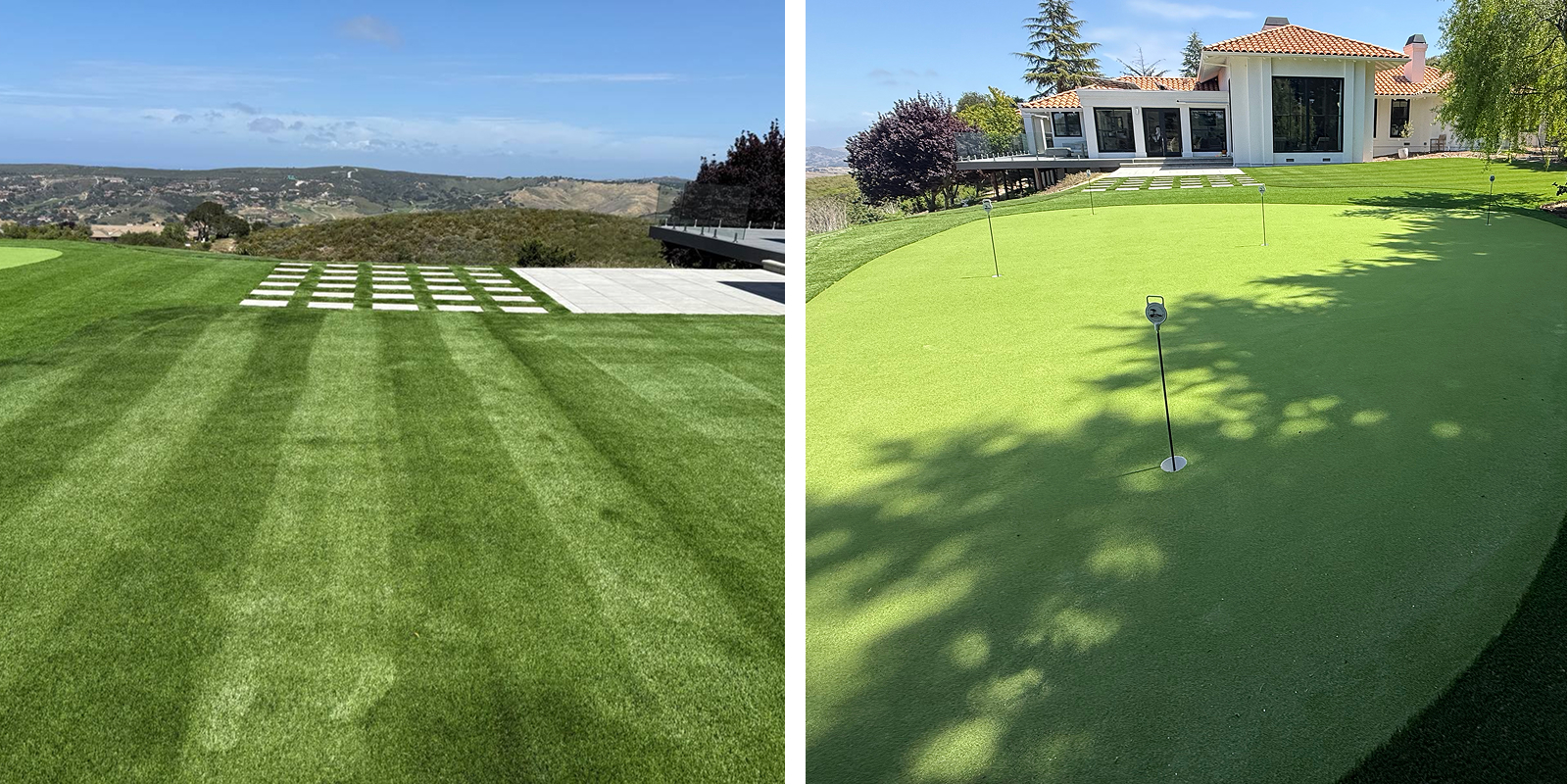
Turf offers a soft, forgiving surface that stays green year-round and does not require watering or mowing. The trade-off is the initial cost and the need for occasional cleaning. For many dog owners, the convenience and cleanliness outweigh the downsides, especially in smaller yards or areas where natural grass struggles to grow.
When you are ready to choose a product, look for one that is labeled specifically for pets. These products have been tested for drainage, durability, and safety with animals in mind. Asking the manufacturer or installer for test results or certifications can give you peace of mind. The right choice will last for years and make your yard a better space for both you and your dog.